
The Allure of Uncertainty
The psychology of casino gaming is intricately linked to the concept of uncertainty. For many players, the unpredictable nature of gambling creates a thrill that is hard to resist. This allure stems from the human tendency to seek excitement in the face of unpredictability. The potential for winning large sums of money in a mere moment can lead players to engage in high-stakes risks that they may not consider in their everyday lives. Many individuals seek the best online casino nz offerings to amplify this excitement.
This desire for uncertainty is tied to the dopamine release in the brain. When players make a bet, the anticipation of a win activates the reward center of the brain, creating a sense of excitement and pleasure. This reaction can lead to a cycle of behavior where players continuously seek out more opportunities to gamble, hoping to replicate that initial rush of excitement.
The Role of Cognitive Biases
Cognitive biases play a significant role in how players perceive risk in casino gaming. One common bias is the illusion of control, where gamblers believe they can influence the outcome of games that are purely based on chance. This false sense of control can encourage players to take risks they might otherwise avoid, as they convince themselves that their actions can lead to favorable outcomes.
Another important cognitive bias is the gambler’s fallacy, which is the belief that past events can influence future outcomes in random games. For instance, a player may think that a slot machine is ‘due’ for a payout after a series of losses. These biases can distort rational decision-making, leading players to engage in riskier behaviors, bolstered by their belief in patterns and outcomes that do not actually exist.
The Social Aspect of Gambling
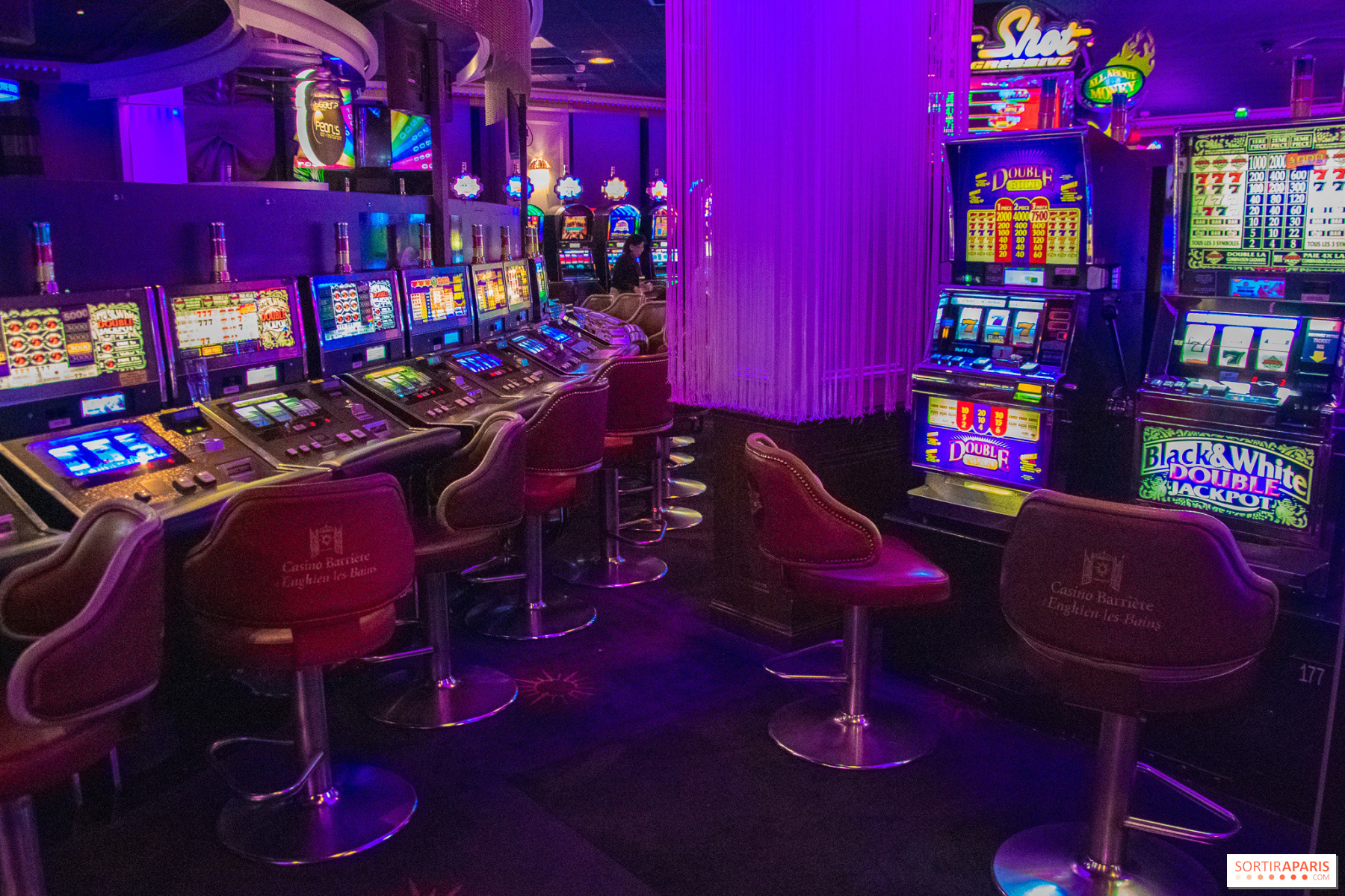
The social environment surrounding casino gaming also greatly influences players’ willingness to take risks. Casinos are designed to be stimulating spaces filled with vibrant lights, sounds, and interactions, fostering a sense of community among players. This atmosphere can encourage individuals to make bolder bets, driven by the excitement of collective experiences.
Moreover, social reinforcement plays a critical role in gambling behavior. When players see others winning and celebrating, it can motivate them to increase their own wager sizes. This communal aspect of gambling can lead to a heightened sense of risk-taking, as players become immersed in the shared thrill of the gaming environment.
Addiction and Compulsivity in Gambling
The interplay between psychology and risk-taking in casino gaming can also lead to gambling addiction. For some, the thrill of a potential win can escalate into a compulsive behavior, where the risk of loss becomes secondary to the desire to experience the highs associated with gambling. This addiction is often fueled by underlying psychological issues, such as anxiety or depression, which players may attempt to escape through gaming.
Understanding gambling addiction requires looking at the reward mechanisms in the brain, which can become hyperactive in response to risk-taking behaviors. As players chase losses or seek to recreate past wins, they may fall further into a cycle of increased risk and financial peril, highlighting the need for awareness and intervention in addressing gambling-related issues.

About Our Website
Our website serves as a resource for understanding the complex psychology behind casino gaming and the factors that influence players’ risk-taking behaviors. We aim to provide insights into the motivations behind gambling and the implications it has on individuals and society as a whole.
By offering informative content, we hope to raise awareness about responsible gaming practices and the psychological aspects of gambling. Whether you are a casual player or someone seeking to understand the deeper motivations behind casino gaming, our platform is here to guide you through this fascinating subject.
